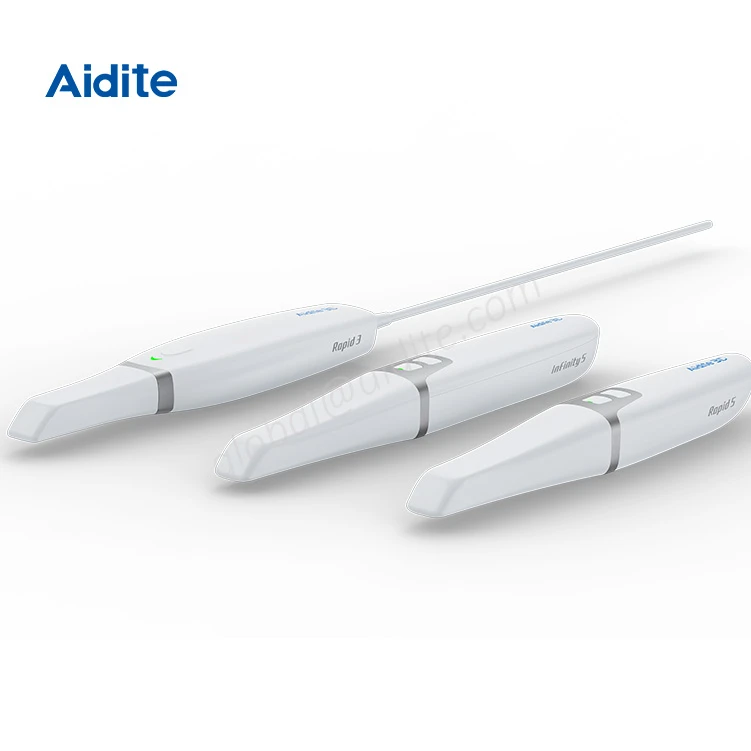
Mainstream Output Format Types Intraoral scanners are like 3D photographers in the mouth. After taking the images, the data needs to be packaged into different formats:
STL Format: A universal 3D modeling language, using triangular facets to assemble tooth models like Lego bricks, compatible with most design software.
PLY Format: An enhanced version with color information, preserving the natural color of gum tissue.
OBJ Format: Supports advanced options for texture mapping, suitable for cases requiring the presentation of enamel luster.
The Golden Rules of Format Selection Choosing an output format is like choosing a shipping box:
Transmission Needs: For remote consultations, prioritize small-sized compressed formats.
Processing Needs: Cases requiring milling must choose high-precision STL.
Storage Needs: For long-term archiving, choose open formats to avoid technological obsolescence.
Future Format Evolution Directions The next generation of scanners is breaking through traditional limitations:
Intelligent Compression Technology: Reduces file size by 40% while retaining key details.
Dynamic Data Format: Records 4D data streams of occlusal movements.
Cloud-Native Format: Directly interfaces with treatment systems, skipping the file export step.