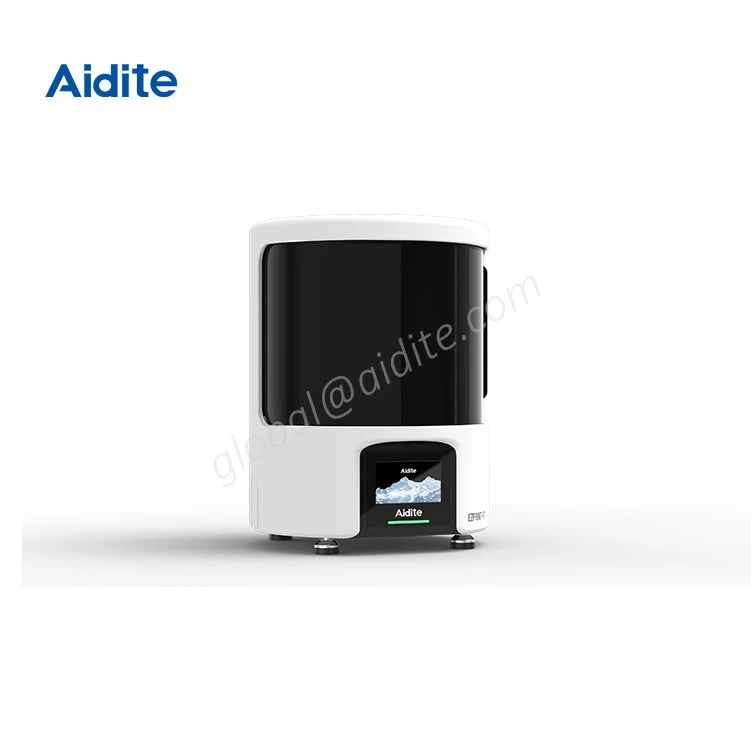
Hey there! As a supplier of DLP Dental 3D Printer, I often get asked about the layer thickness of these amazing machines. So, I thought I'd put together this blog post to shed some light on the topic.
What is Layer Thickness?
Let's start with the basics. The layer thickness in 3D printing is how thick each individual layer of material is when building up an object. Think of it like stacking sheets of paper to create a 3D shape. Each sheet represents a layer, and the thickness of those sheets is what we're talking about. In the context of DLP (Digital Light Processing) dental 3D printers, the layer thickness can have a huge impact on the final outcome of your printed dental models or restorations.
Why Does Layer Thickness Matter in Dental 3D Printing?
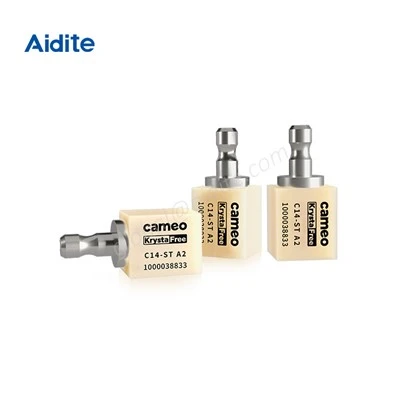
In the dental field, precision is everything. A small error or imperfection can have a big impact on the fit and functionality of a dental restoration, like a Temporary Crown 3D Printing Resin crown or a dental bridge.

- Accuracy: A thinner layer thickness generally means a more accurate and detailed print. Since the printer is building the object in smaller increments, it can capture more complex geometries and fine details. This is crucial for dental applications where the fit of a restoration in the patient's mouth needs to be just right.
- Surface Finish: Thinner layers also result in a smoother surface finish. In dental work, a smooth surface is not only important for aesthetics but also for the patient's comfort. Rough surfaces can cause irritation to the gums and oral tissues.
- Strength and Durability: While it might seem counterintuitive, the layer thickness can also affect the strength and durability of the printed object. In some cases, a slightly thicker layer can provide more structural integrity, but it needs to be balanced with the requirements for accuracy and surface finish.
Typical Layer Thicknesses for DLP Dental 3D Printers
DLP dental 3D printers can typically achieve layer thicknesses ranging from as thin as 10 microns (μm) to around 100 microns. Each option has its own advantages and is suitable for different types of dental applications.
- 10 - 25 microns: This ultra - thin layer thickness is ideal for applications where the highest level of detail and accuracy is required. For example, when printing dental models for orthodontic study or creating highly detailed custom trays for dental procedures. The downside is that printing with such thin layers takes longer, but the quality is top - notch.
- 50 microns: This is a popular choice for many dental restorations, such as single crowns and bridges. It offers a good balance between print speed, accuracy, and surface finish. You can get a high - quality restoration in a reasonable amount of time.
- 75 - 100 microns: These thicker layer thicknesses are often used for less critical dental parts or when speed is a priority. For example, printing temporary dentures or simple dental models for educational purposes. The prints are still usable, but they may not have the same level of detail as those printed with thinner layers.
Comparing DLP with LCD Dental 3D Printers
It's worth mentioning how DLP dental 3D printers stack up against LCD Dental 3D Printer in terms of layer thickness. LCD printers also offer a range of layer thickness options, but DLP printers generally have an edge when it comes to achieving very thin and consistent layers.
DLP technology uses a digital light projector to cure the entire layer of resin at once, which allows for more precise control of the light intensity and exposure time. This results in more accurate and uniform layers, especially when printing with thin layer thicknesses. On the other hand, LCD printers use an LCD screen to block or allow light to pass through to cure the resin. While they are more cost - effective, they may not offer the same level of precision as DLP printers, especially at very thin layer thicknesses.
Factors Affecting Layer Thickness Selection
When choosing the right layer thickness for your dental 3D printing needs, there are several factors to consider:
- Type of Dental Restoration: As mentioned earlier, different dental restorations have different requirements. A complex, multi - unit bridge may need a thinner layer thickness for a precise fit, while a simple temporary crown can get away with a slightly thicker layer.
- Print Time: Thinner layer thicknesses mean more layers to print, which in turn means longer print times. If you're on a tight schedule and need to produce multiple prints quickly, you may need to compromise on the layer thickness.
- Resin Properties: Different dental resins have different curing characteristics. Some resins may work better with certain layer thicknesses. For example, a resin with a high viscosity may take longer to spread evenly at very thin layer thicknesses, which could affect the print quality.
Tips for Optimal Layer Thickness Printing
Here are some tips to help you get the best results when printing with your DLP dental 3D printer:
- Calibration: Make sure your printer is properly calibrated. This includes calibrating the Z - axis (which controls the layer thickness) to ensure accurate and consistent layers.
- Resin Pre - treatment: Some resins may require pre - treatment, such as degassing or filtering, to ensure a smooth and even print. This is especially important when using thin layer thicknesses.
- Post - processing: After printing, the post - processing steps can also affect the final quality. For example, proper cleaning and curing of the printed object are essential to maintain the accuracy and strength of the layers.
Contact Us for More Information
If you're interested in learning more about DLP dental 3D printers or need help choosing the right layer thickness for your dental applications, don't hesitate to get in touch with us. We're here to provide you with the best solutions for your dental 3D printing needs. Whether you're a small dental lab or a large dental practice, we can help you find the perfect printer and resin combination to meet your requirements.
References
- Dental 3D Printing Handbook: A Guide to Modern Dental Technologies
- Journal of Dental Research: Studies on the Impact of Layer Thickness in Dental 3D Printing
- 3D Printing Industry Reports: Comparison of DLP and LCD Dental 3D Printers